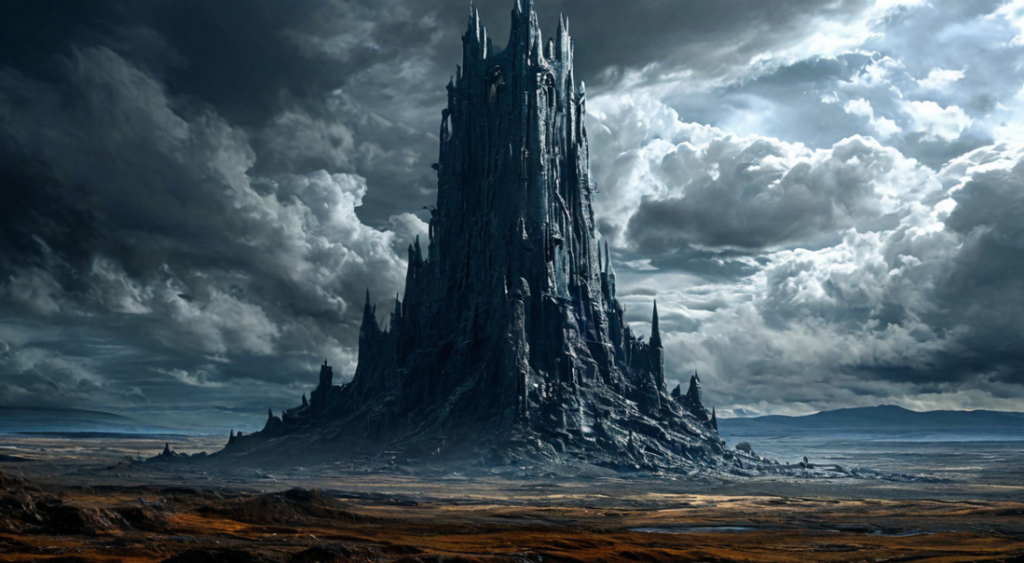
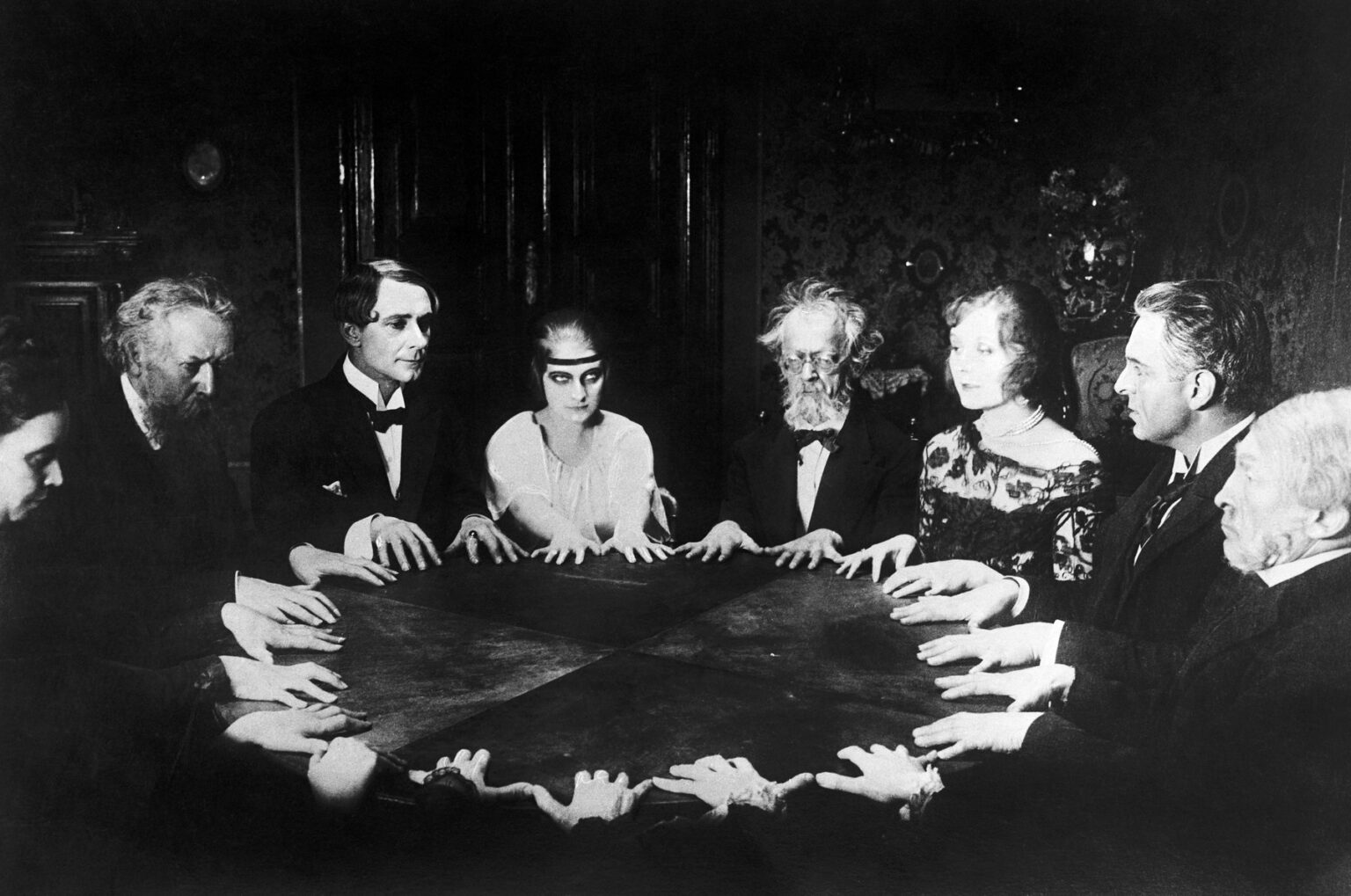
Astaroth, a formidable demon often depicted as a grotesque being atop a dragon, has a complex history that traces back to the ancient goddess Astarte. Once revered for her beauty, love, and motherhood in the Phoenician pantheon, Astarte’s image underwent a dramatic transformation into Astaroth, a figure associated with darkness and malevolence.
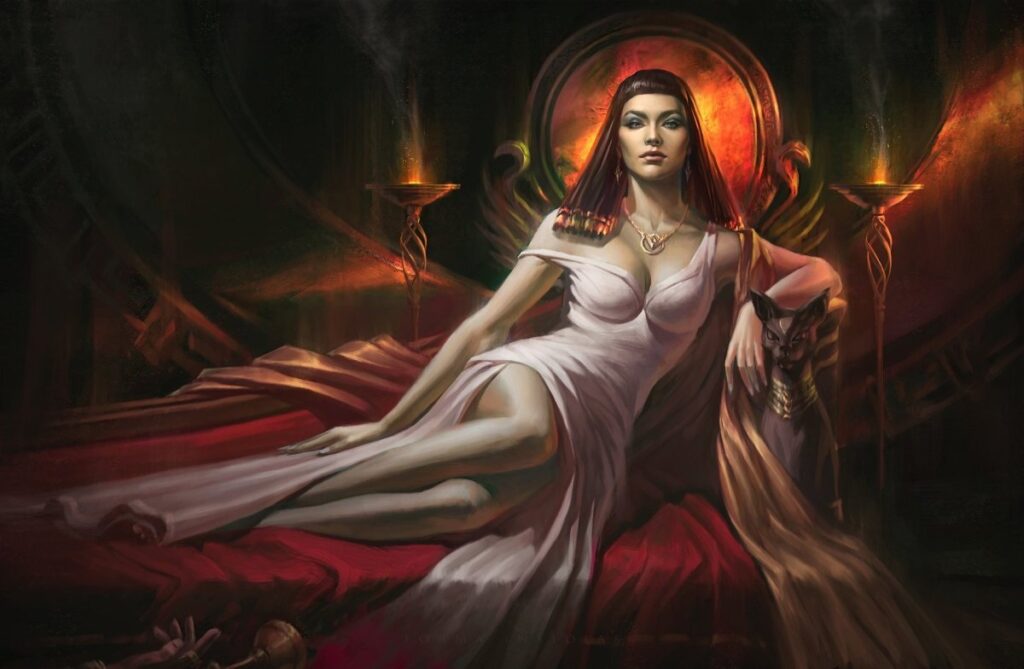
In medieval magical texts, Astaroth is frequently mentioned alongside Lucifer, highlighting his significance in demonology. His portrayal as a repulsive, emaciated man contrasts sharply with his origins as a beautiful goddess. This shift can be attributed to the rise of monotheistic religions, which sought to vilify pagan deities by attributing evil and harmful characteristics to them.
Astaroth is linked to themes of death and knowledge. While he does not capture souls for the underworld, he possesses profound wisdom connected to necromancy and dark rituals. This knowledge, though inherently valuable, is often associated with decay and death, leading to a fascination with Astaroth’s character.
Descriptions of Astaroth vary; he is depicted in the “Lemegeton” as a skeletal figure adorned with feathers, yet at times appears as a regular individual dressed in black and white—symbolizing the interplay of life and death. Many believe that Astaroth’s influence will peak during the Apocalypse, where he is expected to confront the forces of good.
Despite his sinister reputation, Astaroth also embodies the pursuit of knowledge and can guide individuals toward enlightenment. However, his motivations are self-serving, reflecting a complex interplay of good and evil. Astaroth’s legacy serves as a reminder of the blurred lines between divinity and demonic power throughout history.