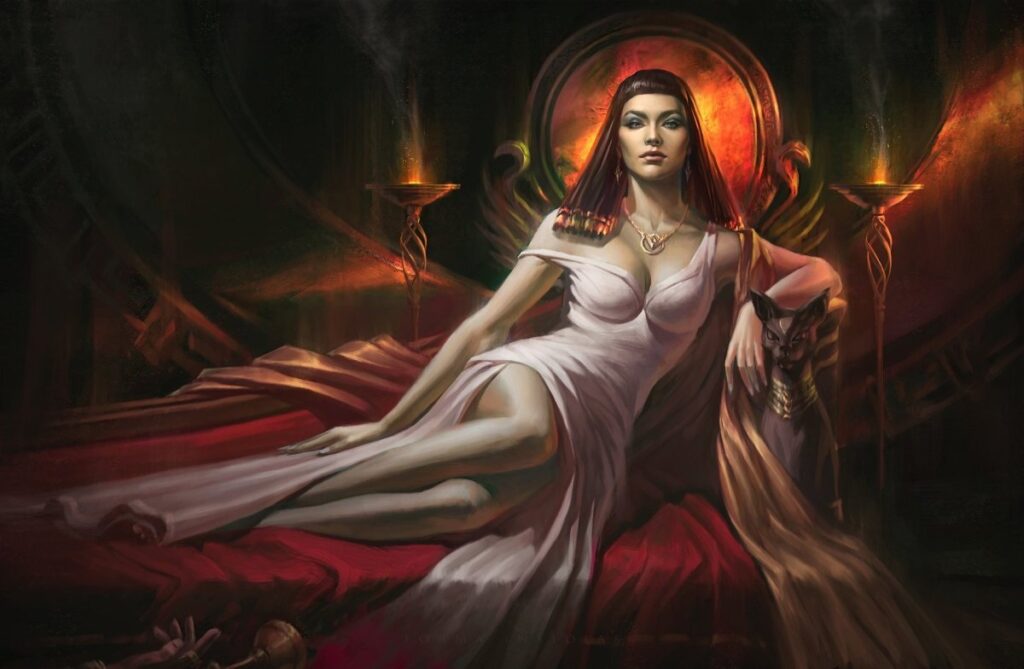
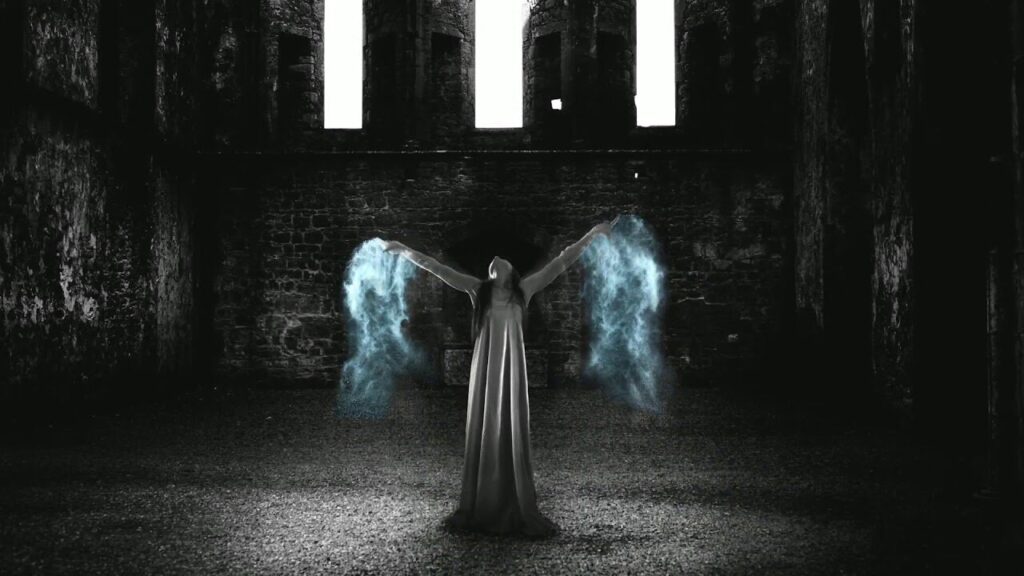
Entities from other realms are classified into higher and lower echelons. The 72 demons listed in the Goetia, part of the Lesser Key of Solomon, represent some of the most powerful, ranging from barons to kings. This hierarchy reflects the concept of “As above, so below,” mirroring the celestial order of angels.
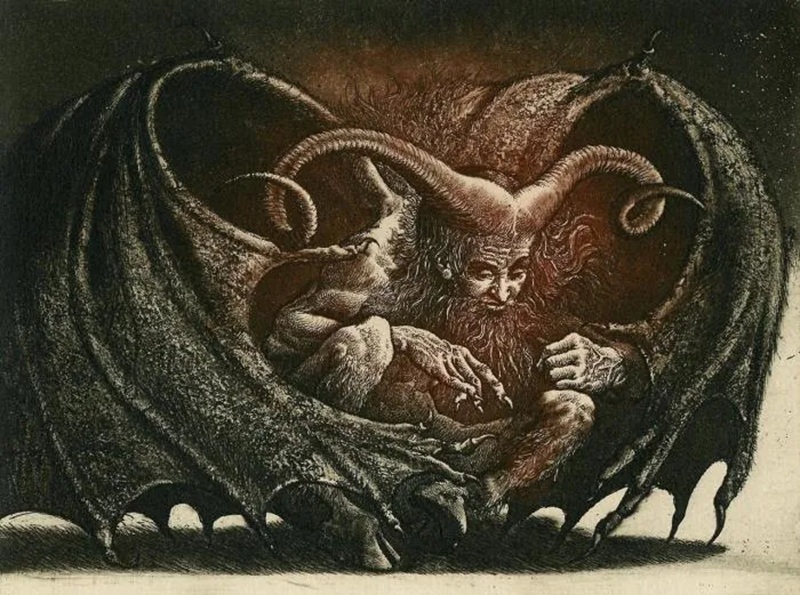
Among these, Furcas is the lowest-ranked demon, a knight commanding 20 legions. We refer to lesser entities as evil spirits, while more powerful demons may have once been fallen angels corrupted by their malevolence. When individuals attempt spiritual practices without proper preparation, they often attract lower spirits, akin to a pack of hounds driven by negative emotions like lust and aggression.
These lower demons can attach themselves to individuals, leading to misfortune and conflict. However, living a virtuous life can expel these entities, as they thrive on human passions. Simply reciting prayers can amuse them, as they regard such attempts with disdain.
Higher demons often disguise themselves as deities. For instance, Beelzebub was worshipped in ancient times, and the Bible frequently references high-ranking demons like Astaroth and Mammon. Medieval grimoires provide insights into the hierarchy, with some suggesting that demons are commanded by supreme kings such as Lucifer and Leviathan.
Additionally, there are various types of demons, including poltergeists, which create disturbances, and succubi/incubi, which engage with humans in dreams. Each of the seven deadly sins is associated with specific demons, such as Asmodeus with lust and Mammon with greed.
Furthermore, some believe that certain demons influence technological advancements, suggesting that unseen forces drive human innovation. Historical figures, including kings and popes, have reportedly maintained relationships with their personal demons, which may guide their decisions.
While classifications of demons can provide insight, they ultimately reflect human attempts to impose order on chaotic spiritual realities. The true nature of these entities is unpredictable and defies categorization. When faced with such forces, the specific rank of the entity becomes irrelevant; the instinctive response is to flee from danger.